


Get Answers Fast: Should You Use DIY or Automated Credit Disputes in 2026?
The question isn’t whether you should dispute inaccurate credit information—it’s how to do it effectively without wasting months on methods that don’t work. In 2026, the answer depends on your situation: pure DIY letter-writing works for simple one-off errors, automated DIY platforms like Dispute Beast deliver the best results for complex files with multiple negatives, and traditional credit repair companies are rarely worth their fees when better alternatives exist. Financial institutions are increasingly seeking automation in their dispute handling processes due to rising dispute volumes and staffing challenges.
When people search for “automated credit disputes” today, they’re encountering a landscape that includes AI-driven SaaS tools, legacy bureau systems like e-OSCAR, and everything from sophisticated compliance-based software to low-quality template mills. Businesses are adapting their services to better support customers’ needs in credit dispute processes, streamlining operations and providing strategic insights to improve overall business performance. This article breaks down the real differences between three distinct paths:
True DIY: You write letters from scratch, track deadlines manually, and handle everything yourself
Automated DIY (Dispute Beast): You control the process while software handles analysis, letter generation, and attack cycles
Credit repair companies: You pay monthly fees while someone else sends disputes on your behalf
Here’s who each path is best for:
DIY is best if you have 1–3 simple errors with clear documentation (like a police report for identity theft)
Automated DIY with Dispute Beast is best if you have multiple negatives, collections, charge-offs, or complex credit histories
Credit repair companies are rarely worth it in 2026 when automated DIY tools offer better results at a fraction of the cost
By the end of this guide, you’ll know exactly which method to choose, what timeline to expect (most users see meaningful results after 6–12 attack rounds), and how Dispute Beast fits into a sustainable long-term credit strategy.

Understanding Credit Reports in 2026: What You Need to Know Before Disputing
In 2026, understanding your credit report is more than just a financial best practice—it’s a critical step in protecting your financial future and ensuring fair access to credit. As the financial world becomes increasingly data-driven, both consumers and financial institutions must pay close attention to the accuracy and integrity of credit reporting.
The Fair Credit Reporting Act (FCRA) remains the cornerstone of consumer protection, guaranteeing your right to dispute any inaccurate or incomplete information on your credit report. Credit reporting agencies (CRAs) are responsible for maintaining accurate records, and their use of automated consumer dispute verification (ACDV) systems, such as e-OSCAR, has made the dispute process faster and more efficient. These automated systems help streamline dispute management, ensuring that errors are investigated and resolved promptly, which is essential for maintaining trust and compliance across the industry.
When it comes to challenging errors, it’s important to understand the difference between direct and indirect disputes. Direct disputes involve contacting the data furnisher—such as a bank, lender, or collection agency—directly to challenge information they’ve reported. Indirect disputes, on the other hand, are filed through a credit reporting agency, which then contacts the data furnisher on your behalf. Both methods are protected under the FCRA, but knowing when and how to use each can make a significant difference in the outcome of your dispute resolution efforts.
Financial institutions and data furnishers are under increasing pressure to maintain accuracy and transparency in their reporting practices. Regulations and industry guidelines require them to investigate consumer disputes thoroughly, correct any errors, and provide clear documentation throughout the process. Automation and innovative dispute management solutions have become essential tools for these institutions, helping to reduce costs, improve efficiency, and ensure compliance with evolving regulations.
For consumers, being informed is the first line of defense. You have the right to access your credit report, file disputes, and expect a timely investigation into any inaccuracies. Leveraging technology—such as automated dispute platforms and credit monitoring software—can make the process more accessible and user-friendly, allowing you to track your progress, submit documentation, and receive updates in real time.
Education and awareness are key. By understanding how credit reporting works, what your rights are under the FCRA, and how to navigate the dispute process, you empower yourself to challenge errors, protect your financial integrity, and make informed decisions about your credit. This not only benefits you as a consumer but also contributes to a more transparent, accurate, and fair credit reporting system for everyone.
In a world where data drives decisions, taking control of your credit report—and knowing how to address inaccuracies through both direct and indirect disputes—ensures you’re not just reacting to errors, but actively shaping your financial future. Whether you’re using advanced dispute management software or handling disputes on your own, staying informed and proactive is the best way to maintain the integrity of your credit history in 2026 and beyond.
How Automated Credit Disputes Actually Work in 2026
From a consumer’s perspective, the automated credit dispute process follows a predictable cycle: you pull your credit reports, software analyzes them for errors and violations, letters are generated based on specific legal and compliance angles, and then you track updates over the next 30–40 days before repeating. Automated systems can provide real-time updates to customers during the dispute resolution process, enhancing customer trust by ensuring that the most current information, including the date of each update, is always available. The key insight is that automation happens on both sides—consumer reporting agencies (CRAs) and data furnishers use automated systems to process disputes and claims, so consumers need their own automation just to keep pace.
The core infrastructure behind every credit dispute involves several interconnected systems that most consumers never see. When you send a dispute or claim to Experian, Equifax, or TransUnion, the consumer reporting agency doesn’t hand-type a custom letter to your creditor. Instead, they translate your complaint into standardized codes and transmit it electronically through e-OSCAR (Online Solution for Complete and Accurate Reporting), a web-based, Metro2 compliant, automated system that facilitates credit history dispute processing between Data Furnishers and Consumer Reporting Agencies. e-OSCAR also offers end-to-end connectivity via API Services for Data Furnishers seeking customization and integration. The information provided by data furnishers to consumer reporting agencies is critical—accuracy, completeness, and reliability are essential for effective dispute resolution and compliance with industry standards. Communication and contact between consumers, data furnishers, and consumer reporting agencies—via phone, email, mail, or fax—are vital throughout the dispute and claim process to ensure transparency and timely resolution. The furnisher receives this electronic form, checks their records, and responds—often within just a couple of weeks.
When furnishers need to update or correct information, they use the Automated Universal Dataform (AUD) to update or correct information previously reported to credit bureaus. The AUD process allows data furnishers to proactively correct errors identified outside of the dispute process, further supporting the integrity of the information provided to consumer reporting agencies.
Here’s how the typical automated workflow looks in 2026:
Load reports from Experian, Equifax, and TransUnion (individually or as a tri-merge)
Software scans for Metro 2 coding violations, factual errors, and reporting inconsistencies
System generates compliance-based letters targeting bureaus, data furnishers, and secondary bureaus
User prints, signs, and mails the dispute packages via USPS (certified mail recommended)
After 30–40 days, new reports are pulled and the cycle repeats with updated analysis
The Metro 2 data format—first adopted in the late 1990s—defines exactly how furnishers must report account status, delinquency dates, balances, and other critical fields to the credit reporting agencies. The ‘date’ field is especially important, as current information is critical for maintaining accuracy and transparency in credit reporting. When disputes cite specific Metro 2 violations, they force a more thorough investigation rather than a checkbox verification.
In 2026, lenders and bureaus rely on sophisticated dispute analytics and fraud filters to manage disputes and claims. The days of sending a vague “please remove this account” letter and expecting results are over. Consumer disputes need to match the precision of the automated systems processing them, which is why tools that understand FCRA timelines and Metro 2 compliance have become essential.
DIY Credit Disputes: When Doing It Yourself Still Works
Traditional DIY credit disputing means pulling your own reports from AnnualCreditReport.com, handwriting or typing letters that cite the Fair Credit Reporting Act and FDCPA, sending everything via certified mail, and tracking due dates in a spreadsheet or calendar. Managing your own credit disputes requires significant personal resources, including time, attention to detail, and ongoing effort. It’s the most hands-on approach, and for certain situations, it remains highly effective.
When DIY Works Well
DIY disputes are ideal for:
Identity theft with documentation: You have a police report, FTC identity theft affidavit, and clear evidence that specific accounts aren’t yours
Obvious reporting errors: A collection appears twice for the same debt, a balance is clearly wrong, or an account shows late payments during a documented deferment period
Thin files with minimal negatives: You only have 1–2 inaccurate items and plenty of time to research the process
Strengths of DIY
Full control over every word in your letters and every piece of evidence attached
Highly personalized disputes that bureaus can’t flag as mass-generated templates
Low direct cost—just postage, paper, and your time
Limitations of DIY
Easy to miss legal angles like Metro 2 compliance violations or factual inconsistencies across different bureaus
Difficult to maintain consistency every 30–40 days for the 6–12 rounds typically needed
Manual tracking of letters, responses, and deadlines is error-prone and tedious
No built-in system for escalating to direct disputes with furnishers or secondary bureaus
Think of DIY like designing your own workout plan from YouTube videos. It can absolutely work—but most people fall off after a few weeks, miss key techniques, or plateau without understanding why. The discipline required to keep attacking every 40 days for a year is where most DIY efforts fail.
Automated Credit Disputes: Strengths, Risks, and Industry Myths
Not all automation is created equal. The benefit of automated credit disputes includes improved efficiency, reduced costs, and enhanced accuracy for financial institutions. In fact, automation in credit dispute handling can lead to a 90% reduction in costs for financial institutions. Additionally, automated dispute resolution solutions enhance customer experience and operational efficiency for financial institutions. There’s a massive difference between consumer-facing platforms designed around compliance and factual accuracy, like Dispute Beast, versus high-volume credit repair mills that fire the same generic template at every account. Understanding this distinction is critical before you choose a path.
Core Strengths of Well-Designed Automation
The best automated credit dispute tools in 2026 offer:
Consistent 40-day cycles that align with FCRA investigation timelines, ensuring you never miss a window and helping users and institutions discuss and address dispute details efficiently within regulatory timeframes
Pattern recognition across multiple accounts and bureaus to identify violations you might miss manually
Coordinated attacks at credit reporting agencies, data furnishers (banks, collection agencies), and secondary bureaus simultaneously
Compliance-based letter content referencing FCRA, FDCPA, and Metro 2 standards rather than vague demands
Common Myths Debunked
Myth: “Bureaus can tell when letters are automated and ignore them.”
Reality: What matters is the factual and legal content of the dispute, not whether a human typed it. A compliance-based dispute citing specific Metro 2 violations will get investigated regardless of how it was generated. A vague “not mine” letter will get rubber-stamped whether handwritten or printed.
Myth: “Online disputes are always faster and better.”
Reality: Online dispute portals limit you to checkboxes and short text fields. Mailed disputes allow full narratives, attached documentation, and create paper trails that matter if you ever need to pursue FCRA litigation. Many experts recommend mail for serious disputes.
Risks of Bad Automation
Not every automated system protects your interests:
Mass “not mine” disputes on legitimate accounts can trigger frivolous dispute flags, damaging your credibility with bureaus
Credit repair companies that dispute everything monthly without strategy can cause accounts to be re-verified with stronger documentation than before
Zero consumer involvement means you don’t know what’s being argued on your behalf or whether it’s even accurate
Lack of direct communication: If you can’t speak with support staff or access direct communication channels, resolving issues quickly and efficiently becomes much harder.
The best practice is using automation that keeps you in control: you approve each dispute, attach real documentation, and avoid making false claims that could backfire.
Dispute Beast vs Generic Automated Credit Disputes
Dispute Beast is the leading DIY credit repair platform that combines automation with factual, compliance-based disputes. Accurate credit reports are essential for obtaining loans and mortgages, as lenders rely on precise information to approve mortgage financing; Dispute Beast helps ensure the accuracy needed for successful mortgage approval. Unlike generic letter mills that send the same template to every account, Dispute Beast functions as an innovative platform that analyzes your specific credit data and generates targeted attacks based on actual violations and inconsistencies. Dispute Beast also automates complex regulatory processes, ensuring transparency and accuracy that strengthens customer confidence while protecting users’ financial interests.
Key Differentiators
Three-Level Attack Strategy:
Level 1: Credit bureaus (Experian, Equifax, TransUnion)
Level 2: Data furnishers and creditors (banks, card issuers, collection agencies) using direct disputes under CFPB regulations
Level 3: Secondary bureaus (LexisNexis, Innovis, CoreLogic, SageStream) that feed data to lenders’ internal risk models
Automated 40-Day Attack Cycles: Every 40 days, Dispute Beast pulls your latest credit data, recalculates what needs disputing, and generates a fresh round of letters. This cadence aligns with FCRA timelines while maintaining consistent pressure without violating regulations.
Factual and Compliance-Based Content
Dispute Beast letters aren’t magic words—they reference:
Fair Credit Reporting Act accuracy requirements
FDCPA validation obligations for debt collectors
Metro 2 reporting standards and specific field violations
Documented inconsistencies between what’s reported and what’s verifiable
The focus is always on what can be proven inaccurate, incomplete, or inconsistent—not on hoping bureaus make administrative mistakes.
Built-In Personalization
Dispute Beast auto-rotates fonts and formats (handwritten-styled versus printed) to avoid pattern recognition by bureau systems. Users still add custom details and attach their own documentation, so every dispute package looks unique rather than obviously mass-produced.
Important detail: Dispute Beast is free when you maintain an active paid subscription to Beast Credit Monitoring (VantageScore 3.0) or Pro Credit Watch (FICO 8). This integration means you’re monitoring your scores using the same models that most lenders actually use to make decisions.
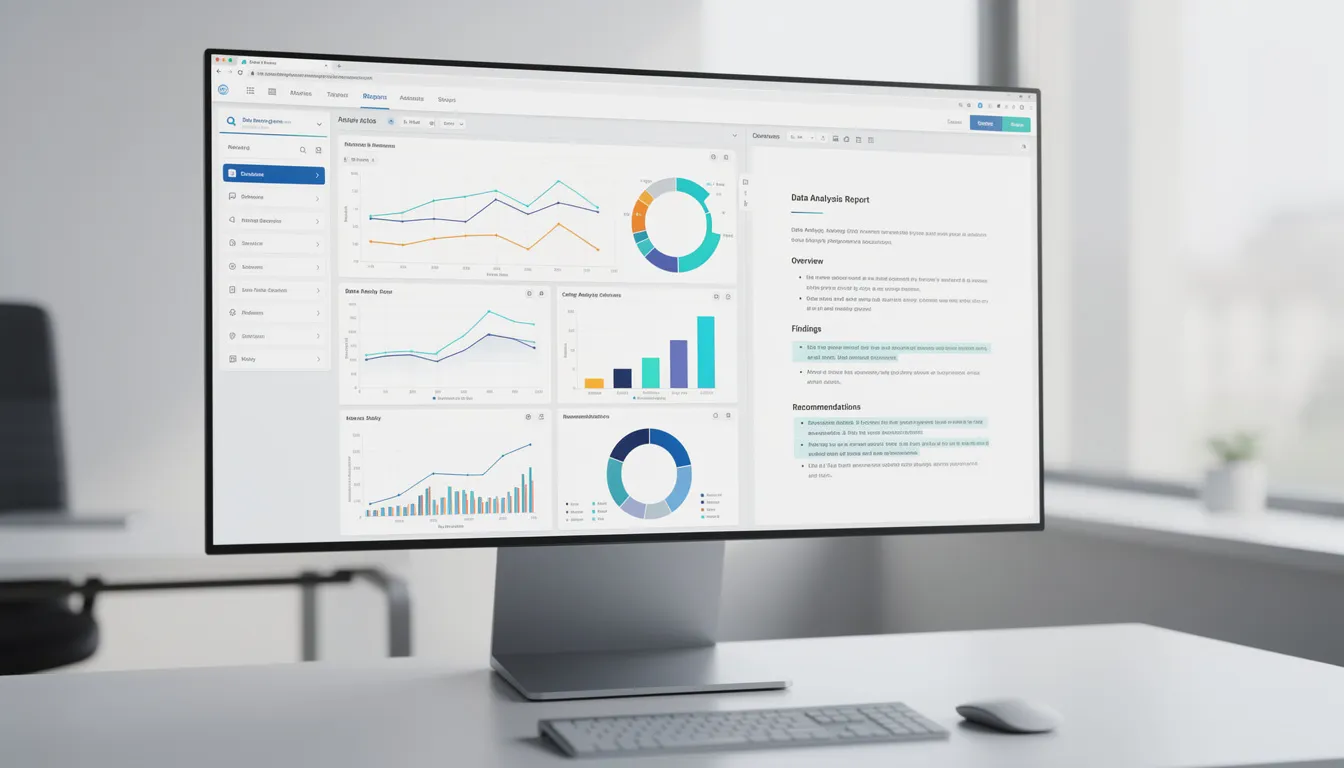
How a 40-Day Dispute Beast Attack Cycle Works
Here’s exactly what one complete attack cycle looks like:
Day | Action |
|---|---|
Day 1–2 | User loads tri-merge or separate bureau reports into Dispute Beast |
Day 2 | Software scans for negatives and generates bureau, furnisher, and secondary bureau letters with specific compliance angles |
Day 3 | User prints, signs, and mails letters via USPS (certified mail with return receipt recommended) |
Day 5–35 | Bureaus and furnishers receive, investigate, and respond within FCRA’s ~30-day window (45 days if consumer provides additional information) |
Day 36–40 | Dispute Beast pulls fresh data from Beast Credit Monitoring or Pro Credit Watch, recalculates scores and status, then prepares the next round of attacks |
Users repeat this process for 6–12 consecutive rounds (roughly 8–18 months) to see meaningful cleanup. Like fitness, there’s no overnight transformation—consistent cycles plus good financial habits deliver results over time.
Critically, you remain in control at every round. You can pause disputes on certain accounts, upload new evidence, and adjust the approach based on what’s working.
DIY vs Automated Credit Disputes: Side-by-Side Comparison for 2026
When you’re deciding between approaches, the comparison needs to be practical: time, money, risk, and actual results over a realistic 12–18 month period. Here’s how the three main options stack up.
|
Factor |
Pure DIY |
Dispute Beast (Automated DIY) |
Credit Repair Company |
|---|---|---|---|
|
Time investment/month |
4–8 hours (research, writing, tracking) |
30–60 minutes (review, print, mail) |
Near zero (but no control) |
|
Direct cost |
~$15–30/month (postage, certified mail) |
$25–40/month (monitoring subscription) |
$79–149/month (typical fees) |
|
Legal/compliance sophistication |
Depends entirely on your knowledge |
Built-in FCRA, FDCPA, Metro 2 references |
Varies wildly by company |
|
Consistency over 6–12 rounds |
Most people quit after 2–3 rounds |
System reminds and prepares each cycle |
Automated but often generic |
|
Score visibility (FICO 8/Vantage 3.0) |
Requires separate monitoring |
Integrated with lender-used models |
Usually basic credit scores only |
|
Dispute targeting |
Usually bureaus only |
Bureaus + furnishers + secondary bureaus |
Typically bureaus only |
Concrete Scenario
Consider a consumer with 7 negative items: 2 collections from 2022, 3 late payments from 2023, and 2 charge-offs from 2020.
Pure DIY: They’d need to research each account, write 7+ individualized letters to each bureau (21+ letters in round one), track responses, and repeat every 40 days. Most people abandon this by round 3. Expected cost over 12 months: ~$200–350 in postage. Expected results: partial, inconsistent.
Dispute Beast: Load the report once, click “Attack,” print the pre-generated letters. The system handles analysis and generates targeted disputes across bureaus, furnishers, and secondary bureaus. Repeat every 40 days. Expected cost over 12 months: ~$300–480 for monitoring. Expected results: systematic pressure on all negatives with compliance-based arguments.
Credit Repair Company: Pay $99–129/month ($1,188–1,548/year) while generic disputes go out. Limited visibility into what’s being argued. If the company uses the same templates as thousands of other clients, results may actually be worse than DIY.
The verdict: For most people in 2026, an automated DIY platform like Dispute Beast offers the best balance of cost, control, and actual results compared to pure DIY or outsourcing to a credit repair company.
What Actually Gets Items Removed in 2026 (and Why Many Disputes Fail)
By 2026, bureaus and furnishers have become significantly better at filtering frivolous or generic consumer disputes. Success now depends on precision, documentation, and persistence—not letter volume or supposed “magic words.”
What Leads to Successful Deletions
Items get removed or corrected when disputes identify:
Factual inaccuracies in dates, balances, account ownership, or status codes
Incomplete or inconsistent data across bureaus that violates Metro 2 reporting standards
Failure to verify within FCRA timelines (bureaus must complete investigation within 30 days, extended to 45 in some cases)
Lack of documentation from furnishers when challenged to prove accuracy
FDCPA violations by debt collectors who fail to validate debts properly
Why Disputes Fail
The most common reasons disputes get nowhere include:
“Not mine” on accounts that clearly are yours: This destroys credibility and may be treated as frivolous
Copy-paste templates used thousands of times online that bureaus recognize instantly
Stopping after 1–2 rounds instead of maintaining attack cycles over 6–12 rounds
Disputing while still making late payments or carrying high utilization, which masks any progress
Ignoring direct disputes to furnishers under CFPB regulations and missing secondary bureaus entirely
If you want to understand the full picture, check out our detailed breakdown of why disputes fail and how to avoid these patterns.
How Dispute Beast Avoids These Failure Patterns
The platform is designed around accuracy and persistence:
Disputes focus on provable inaccuracies, not blanket denials
Users confirm account ownership before disputes go out
The 40-day rhythm prevents dropping off after early rounds
Tracking shows exactly which items responded, updated, or need escalation
Multi-level attacks ensure furnishers and secondary bureaus aren’t ignored
Building a Long-Term Credit Strategy Around Automated Disputes
Cleaning up your credit with automated disputes works like a structured fitness program. You can’t do one intense workout and expect permanent transformation. Consistent cycles—combined with good daily habits—produce results over 6–18 months.
Core Pillars of a 2026 Credit Strategy
|
Pillar |
What It Means |
|---|---|
|
Continuous dispute cycles |
Attack every 40 days until negatives are resolved or fully verified |
|
On-time payments |
Every payment on every account, starting this month—no exceptions |
|
Low utilization |
Keep revolving balances below 30% overall, ideally under 10% |
|
Limited new inquiries |
Avoid unnecessary credit applications during your repair period |
How Monitoring Fits In
Beast Credit Monitoring (VantageScore 3.0) and Pro Credit Watch (FICO 8) let you track progress using the exact scoring models lenders evaluate. You’ll see:
How each attack round impacts your scores
Alerts when new collections or errors appear
Data needed to launch immediate Dispute Beast cycles against new negatives
Beyond Just Deletions
Credit repair isn’t only about removing bad information—it’s about building positive history simultaneously:
Consider a secured credit card or credit-builder loan to generate positive tradelines
Authorized user strategies can add years of positive history in some cases
Dispute Beast removes roadblocks while you build new, clean data on your reports
Realistic Timeframes
|
Situation |
Expected Timeline |
|---|---|
|
Minor cleanup (1–3 negatives) |
3–6 attack rounds (~4–8 months) |
|
Moderate file (4–7 negatives) |
6–9 attack rounds (~8–12 months) |
|
Complex history (8+ negatives, multiple charge-offs, collections) |
9–12 attack rounds (~12–18 months) |
The timeline extends if negatives are legitimately verified—but consistent pressure often reveals inaccuracies that appear accurate on the surface.
Next Steps: Start Your Own Automated DIY Attack in 2026
Stop relying on guesswork. Stop overpaying credit repair firms that send the same templates as everyone else. It’s time to launch your first automated DIY attack cycle and take control of your credit future.
Getting Started Today
Create your free Dispute Beast account at https://disputebeast.com
Activate Beast Credit Monitoring or Pro Credit Watch so Dispute Beast can analyze real FICO 8 and VantageScore 3.0 data
Load your current credit reports and let the system identify disputable items
Press the one-click “Attack” button, then print, sign, and mail the letters
Set a reminder for 40 days to review new reports and launch the next round
What You Get
Dispute Beast is free with an active paid monitoring subscription
Three-Level Attack Strategy targets bureaus, furnishers, and secondary bureaus
40-day automated cycles are built into the system
You keep full control while leveraging serious automation and compliance intelligence
Before your first attack, make sure to read the Ultimate Dispute Beast FAQ for answers to every question about the process, timelines, and best practices.
And remember: keep attacking every 40 days, even after major deletions. New errors and collections can appear at any time, and catching them early prevents damage to your progress.
In 2026, the combination of your decisions, consistent financial habits, and a tool like Dispute Beast can permanently change your credit trajectory. The bureaus have their automated systems. Now you have yours.
Your financial future isn’t something that happens to you—it’s something you build. Start your first attack today.