

Most consumers only know one method to fix credit report errors: disputing with the credit bureaus. But in 2026, the most effective and often faster method is disputing directly with the data furnisher — the bank, lender, collection agency, or institution that reported the information in the first place.
This method is protected under FCRA Section 623, which gives you the right to demand correction of inaccurate information straight from the source. And in many cases, a direct dispute produces results that the bureaus can’t or won’t provide.
This guide walks you through:
- What FCRA 623 direct disputes are
- When to dispute directly vs through the bureaus
- The documentation you must include
- A full step-by-step workflow
- A comparison of both methods
- How Dispute Beast automates both dispute channels
For a full foundational breakdown of credit report errors in general, see this internal reference: Top Errors You Must Dispute Immediately.
What Is a Data Furnisher? (And Why They Matter in 2026)
A data furnisher is any company that provides account information to Equifax, Experian, or TransUnion. This includes:
- Credit card issuers
- Banks and credit unions
- Auto lenders
- Mortgage lenders
- Student loan servicers
- Collection agencies
- Telecom and utility providers
Under the FCRA regulations for furnishers, these companies are legally responsible for ensuring that all information they report is:
- Accurate
- Complete
- Verifiable
If they report anything wrong — such as the wrong balance, late payments that never happened, or an account that isn’t even yours — you have the right to dispute it directly with them.
What Is a Direct Dispute? (FCRA 623 Explained)
A direct dispute is when you challenge incorrect credit information directly with the company that furnished the data instead of going through a bureau first.
FCRA Section 623 requires furnishers to:
- Investigate your dispute
- Review your documentation
- Respond within 30 days
- Correct or delete any information that cannot be verified
This is powerful because sometimes the bureaus simply “verify” information using automated systems. A direct dispute forces the furnisher to do an actual investigation.
When Should You Dispute Directly With a Data Furnisher?
Direct disputes are most effective when the error originates from the source itself. Common examples include:
- Wrong balance amounts
- Incorrect payment history
- Accounts showing late payments that were actually on time
- Duplicate accounts
- Fraud or identity theft
- Collections you already paid
- Outdated negative items that should’ve been removed
If the furnisher made the mistake, disputing with the bureaus alone may not fix the root cause. Directly contacting the source gives you a stronger case.
When Bureau Disputes Are Better Than Direct Disputes
While direct disputes are powerful, bureau disputes are still essential when:
- You need all three bureaus corrected at the same time
- You want the bureaus to suppress inaccurate information during reinvestigation
- There’s missing information the furnisher can’t verify
- There’s conflicting data between bureaus
The CFPB’s dispute documentation guidelines confirm that the bureaus are required to investigate disputes thoroughly — but only based on the information provided to them by the furnisher. Sometimes, going straight to the furnisher avoids unnecessary loops.
Direct Dispute vs Bureau Dispute (2026 Comparison Table)
| Feature | Bureau Dispute | Direct-to-Furnisher Dispute (FCRA 623) |
|---|---|---|
| Investigation Timeline | 30 days | 30 days |
| Who Investigates? | Credit bureau using data from furnisher | The data furnisher directly |
| Best For | Errors appearing differently across bureaus | Errors caused by the original creditor |
| Probability of Deletion | Moderate | High when furnisher cannot verify |
| Impact Scope | Corrects one bureau unless repeated | Can trigger corrections across all bureaus |
| Consumer Burden | Low | Moderate (must mail or email documentation) |
| Best For Fraud? | Good | Excellent |
How to File a Direct Dispute With a Data Furnisher (Step-by-Step)
Step 1: Identify the Exact Error
Start by reviewing all three credit reports. Errors usually show up in:
- Payment history
- Balance amounts
- Account ownership
- Status (charged off, closed, transferred)
The Annual Credit Report portal lets you download all three reports for free.
Step 2: Gather Evidence
Furnishers require proof. Examples include:
- Bank statements
- Payment receipts
- Correspondence with the creditor
- Settlement letters
- Identity theft affidavits
- Police reports (if applicable)
Step 3: Draft a Direct Dispute Letter
Your letter must include:
- Your full name and address
- Account number
- Clear explanation of the error
- Supporting documentation
- Your demand for investigation under FCRA 623
Most consumers don’t know this, but furnishers are legally required to investigate if your dispute is valid and documented.
Step 4: Send the Dispute to the Furnisher’s Designated Address
The FCRA states that furnishers can designate a specific address for disputes. Sending your dispute anywhere else may allow them to ignore it.
This information is typically found on the lender’s website or in correspondence. For example, many banks list their dispute addresses in their “credit reporting accuracy” section.
Step 5: Wait for the Investigation and Monitor Your Credit
The furnisher has 30 days to:
- Review your documents
- Investigate the dispute
- Report corrections to all three bureaus
- Send you written results
If they cannot verify the information, they must delete it.
Common Errors That Are Best Fixed Through Direct Disputes
1. Incorrect Payment Reporting
Late payments marked incorrectly are among the most damaging errors. These are almost always best disputed directly with the creditor.
2. Balance Errors
Incorrect balances affect utilization — one of the biggest scoring factors.
3. Fraudulent Accounts
Identity theft cases require the furnisher to investigate thoroughly.
4. Accounts Marked as “Open” When They’re Closed
This can impact credit age and utilization.
5. Duplicate Accounts
This happens often in collection transfers.
How Dispute Beast Automates Both Bureau and Direct Furnisher Disputes
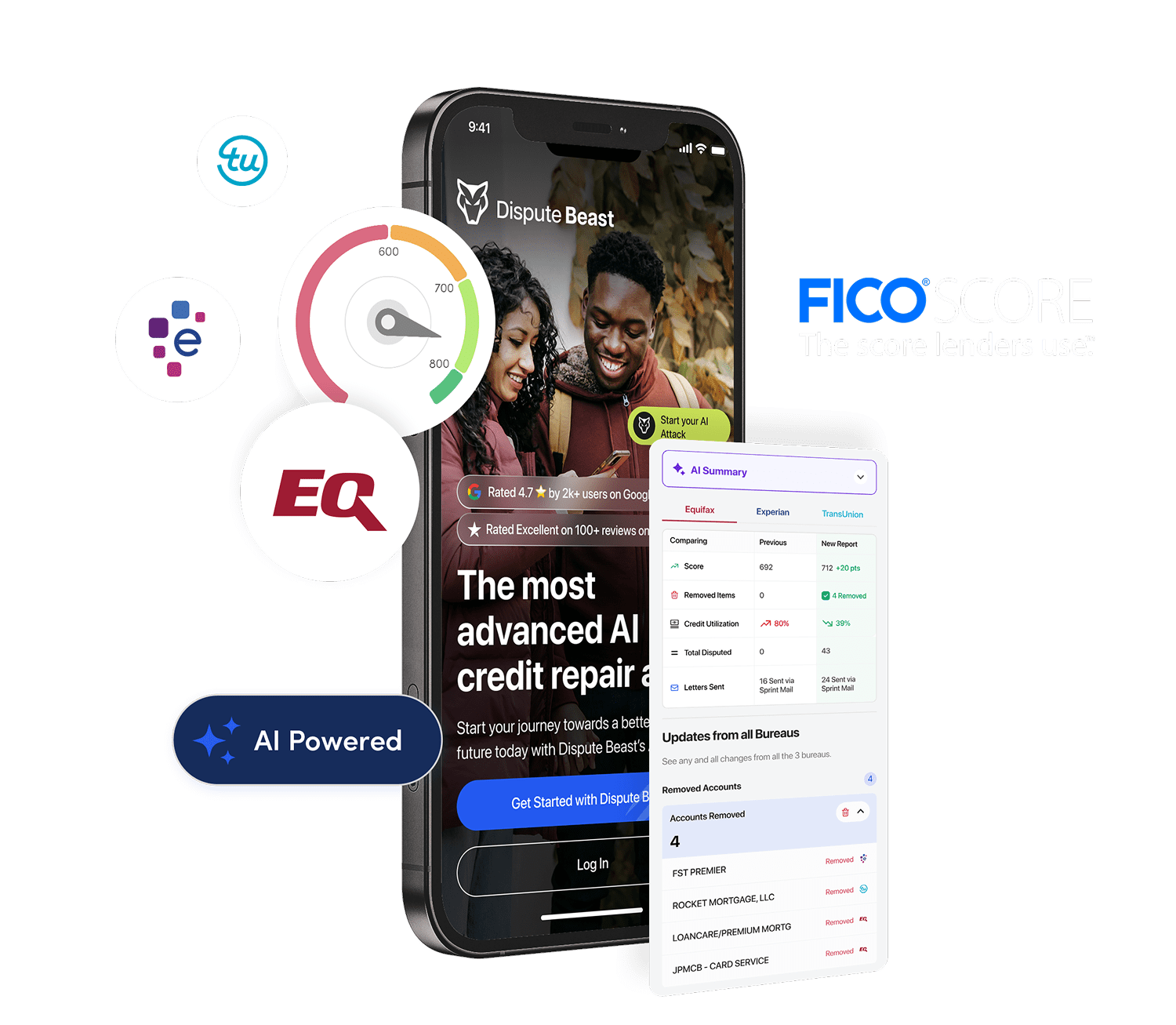
Most consumers don’t know whether to file with the bureaus or directly with furnishers. Dispute Beast removes the guesswork by:
- Scanning the credit report using AI
- Identifying the type of error
- Choosing the correct dispute method (bureau vs furnisher)
- Creating FCRA-compliant letters tailored to each dispute type
- Including the correct legal citations for FCRA 623
- Preparing separate letters for bureaus and data furnishers when needed
The system follows the exact legal framework regulated by the Consumer Financial Protection Bureau, ensuring compliance and accuracy.
Direct disputes are powerful — but only when structured correctly. Dispute Beast handles the structure for you.
Final Thoughts: Direct Disputes Are a Critical Tool in 2026
If a creditor reports something inaccurately, disputing with the bureaus alone may not fix the problem. A direct furnisher dispute gives you:
- More control
- More accuracy
- More accountability
- More chances of deletion
And when combined with bureau disputes, you get a complete, aggressive, and legally backed strategy to correct your credit report the right way — especially when automated with Dispute Beast.
Direct disputes aren’t just an alternative. They’re often the fastest path to accurate credit reporting.